---
title: Leverage Healthcare Analytics for Lower Costs & Better Care Outcomes
description: Learn how healthcare analytics solutions from Valenz Health can help improve health plan performance and minimize costs for all.
image: https://blog.valenzhealth.com/hubfs/Blog/AdobeStock_576808710-1.jpeg
---
[Skip to content](https://blog.valenzhealth.com/leveraging-healthcare-analytics#page-content)
[](https://www.valenzhealth.com/)
- [Who We Serve](https://www.valenzhealth.com/who-we-serve/)
- [Solutions](https://www.valenzhealth.com/solutions/member-experience/)
- [About Us](https://www.valenzhealth.com/about-us/)
- [Resources](https://www.valenzhealth.com/resources/)
- [Contact](https://www.valenzhealth.com/contact/)
### [Patients](https://www.valenzhealth.com/who-we-serve/members/)
### Payers
- [Employers](https://www.valenzhealth.com/who-we-serve/employers/)
- [Taft-Hartley Funds](https://www.valenzhealth.com/who-we-serve/taft-hartley-funds/)
### Providers
- [Healthcare Facilities and Providers](https://www.valenzhealth.com/who-we-serve/healthcare-facilities-and-providers/)
### Plans
- [Health Plans](https://www.valenzhealth.com/who-we-serve/health-plans/)
- [Third-Party Administrators](https://www.valenzhealth.com/who-we-serve/third-party-administrators-tpas/)
- [Brokers and Consultants](https://www.valenzhealth.com/who-we-serve/brokers/)
- [Stop Loss Producers](https://www.valenzhealth.com/who-we-serve/stop-loss-producers/)
#### Partner with Us
Discover how Vālenz Health® can simplify the healthcare experience with our innovative solutions.
[Explore All](https://www.valenzhealth.com/who-we-serve/)
### Member Experience
- [Overview](https://www.valenzhealth.com/solutions/member-experience/)
- [Clinical Engagement](https://www.valenzhealth.com/solutions/member-experience/clinical-engagement/)
- [Valenz Bluebook](https://www.valenzhealth.com/solutions/member-experience/valenz-bluebook/)
- - [Bluebook Rx](https://www.valenzhealth.com/solutions/member-experience/bluebook-rx/)
- [Precision Care](https://www.valenzhealth.com/solutions/member-experience/valenz-bluebook/#Precision-Care)
### Payment Integrity
- [Overview](https://www.valenzhealth.com/solutions/payment-integrity/)
- [ABN Medical Necessity](https://www.valenzhealth.com/solutions/payment-integrity/abn-medical-necessity-validation/)
- [Clean Claim Verification](https://www.valenzhealth.com/solutions/payment-integrity/clean-claim-verification/)
- [Clinical Bill Review](https://www.valenzhealth.com/solutions/payment-integrity/clinical-bill-review/)
- [Curated Data Sources](https://www.valenzhealth.com/solutions/payment-integrity/curated-data-sources/)
- [In-Network Repricing](https://www.valenzhealth.com/solutions/payment-integrity/in-network-repricing/)
- [Out-of-Network Repricing](https://www.valenzhealth.com/solutions/payment-integrity/out-of-network-repricing/)
### Provider Quality
- [Overview](https://www.valenzhealth.com/solutions/provider-quality/)
- [Credentialing](https://www.valenzhealth.com/solutions/provider-quality/credentialing/)
- [Provider Staff Sanction Monitoring](https://www.valenzhealth.com/solutions/provider-quality/provider-staff-sanction-monitoring/)
- [CareChex® Awards](https://www.valenzhealth.com/solutions/provider-quality/carechex-awards-by-quantros/)
- [Outcomes Analytics by Quantros](https://www.valenzhealth.com/solutions/provider-quality/outcomes-analytics/)
### Plan Performance
- [Overview](https://www.valenzhealth.com/solutions/plan-performance/)
- [Stop Loss](https://www.valenzhealth.com/solutions/plan-performance/stop-loss/)
- [ValenzONE](https://www.valenzhealth.com/solutions/plan-performance/valenz-one/)
### Platform
- [Integrated Platform](https://www.valenzhealth.com/solutions/integrated-platform/)
#### Solution Finder
Find the right solution for your needs.
[Get Started](https://www.valenzhealth.com/solutions/)
### Company
- [About Valenz Health](https://www.valenzhealth.com/about-us/)
- [Careers](https://www.valenzhealth.com/about-us/careers/)
### Why Valenz
- [Leadership Team](https://www.valenzhealth.com/about-us/#Executive-Leadership)
- [Our Mission](https://www.valenzhealth.com/about-us/#About-Valenz-Health)
- [Our Values](https://www.valenzhealth.com/about-us/#Core-Values)
#### Join Our Team
Be part of the healthcare revolution. We're hiring talented individuals who share our vision.
[View Open Positions](https://www.valenzhealth.com/about-us/careers/)
### Regulatory & Compliance
- [The No Surprises Act (NSA)](https://www.valenzhealth.com/resources/no-surprises-act/)
- [Transparency in Coverage (TiC)](https://www.valenzhealth.com/resources/transparency-in-coverage/)
- [OIG Compliance](https://www.valenzhealth.com/resources/oig-compliance/)
### Industry Insights
- [Fighting Fraud, Waste, and Abuse](https://www.valenzhealth.com/resources/fraud-waste-abuse/)
- [Self-Funded Insurance](https://www.valenzhealth.com/resources/self-funded-health-insurance/)
#### Resource Center
Stay informed with our latest whitepapers, guides, and industry insights.
[Browse All Resources](https://www.valenzhealth.com/resources/)
[](https://www.valenzhealth.com/)
- Who We Serve
- Solutions
- About Us
- Resources
- Contact Us
- Login
- Search
Back
### Who We Serve
- [Overview](https://www.valenzhealth.com/who-we-serve/)
#### Patients
- [Members](https://www.valenzhealth.com/who-we-serve/members/)
#### Payers
- [Employers](https://www.valenzhealth.com/who-we-serve/employers/)
- [Taft-Hartley Funds](https://www.valenzhealth.com/who-we-serve/taft-hartley-funds/)
#### Providers
- [Healthcare Facilities and Providers](https://www.valenzhealth.com/who-we-serve/healthcare-facilities-and-providers/)
#### Plans
- [Health Plans](https://www.valenzhealth.com/who-we-serve/health-plans/)
- [Third-Party Administrators](https://www.valenzhealth.com/who-we-serve/third-party-administrators-tpas/)
- [Brokers and Consultants](https://www.valenzhealth.com/who-we-serve/brokers/)
- [Stop Loss Producers](https://www.valenzhealth.com/who-we-serve/stop-loss-producers/)
Back
### Solutions
- [Overview](https://www.valenzhealth.com/solutions/)
- [Member Experience](https://www.valenzhealth.com/solutions/member-experience/)
- [Payment Integrity](https://www.valenzhealth.com/solutions/payment-integrity/)
- [Provider Quality](https://www.valenzhealth.com/solutions/provider-quality/)
- [Plan Performance](https://www.valenzhealth.com/solutions/plan-performance/)
- [Platform](https://www.valenzhealth.com/solutions/integrated-platform/)
Back
### About Us
- [Overview](https://www.valenzhealth.com/about-us/)
- [Careers](https://www.valenzhealth.com/about-us/careers/)
Back
### Resources
- [Overview](https://www.valenzhealth.com/resources/)
- [The No Surprises Act (NSA)](https://www.valenzhealth.com/resources/no-surprises-act/)
- [Transparency in Coverage (TiC)](https://www.valenzhealth.com/resources/transparency-in-coverage/)
- [Office of Inspector General Compliance](https://www.valenzhealth.com/resources/oig-compliance/)
- [Fighting Fraud, Waste, and Abuse (FWA)](https://www.valenzhealth.com/resources/fraud-waste-abuse/)
- [Self-Funded Insurance](https://www.valenzhealth.com/resources/self-funded-health-insurance/)
Back
### Payment Integrity
- [Overview](https://www.valenzhealth.com/solutions/payment-integrity/)
- [ABN Medical Necessity Validation](https://www.valenzhealth.com/solutions/payment-integrity/abn-medical-necessity-validation/)
- [Clean Claim Verification](https://www.valenzhealth.com/solutions/payment-integrity/clean-claim-verification/)
- [Clinical Bill Review](https://www.valenzhealth.com/solutions/payment-integrity/clinical-bill-review/)
- [Curated Data Sources](https://www.valenzhealth.com/solutions/payment-integrity/curated-data-sources/)
- [In-Network Repricing](https://www.valenzhealth.com/solutions/payment-integrity/in-network-repricing/)
- [Out-of-Network Repricing](https://www.valenzhealth.com/solutions/payment-integrity/out-of-network-repricing/)
Back
### Provider Quality
- [Overview](https://www.valenzhealth.com/solutions/provider-quality/)
- [Credentialing](https://www.valenzhealth.com/solutions/provider-quality/credentialing/)
- [Provider Staff Sanction Monitoring](https://www.valenzhealth.com/solutions/provider-quality/provider-staff-sanction-monitoring/)
- [CareChex® Awards by Quantros](https://www.valenzhealth.com/solutions/provider-quality/carechex-awards-by-quantros/)
- [Outcomes Analytics by Quantros](https://www.valenzhealth.com/solutions/provider-quality/outcomes-analytics/)
Back
### Member Experience
- [Overview](https://www.valenzhealth.com/solutions/member-experience/)
- [Clinical Engagement](https://www.valenzhealth.com/solutions/member-experience/clinical-engagement/)
- [Valenz Bluebook](https://www.valenzhealth.com/solutions/member-experience/valenz-bluebook/)
- [• Bluebook Rx](https://www.valenzhealth.com/solutions/member-experience/bluebook-rx/)
- [Precision Care](https://www.valenzhealth.com/solutions/member-experience/valenz-bluebook/#precision-care/)
Back
### Plan Performance
- [Overview](https://www.valenzhealth.com/solutions/plan-performance/)
- [Stop Loss](https://www.valenzhealth.com/solutions/plan-performance/stop-loss/)
- [ValenzONE](https://www.valenzhealth.com/solutions/plan-performance/valenz-one/)
Back
### Search
[Back](https://blog.valenzhealth.com/)
# Leveraging Healthcare Data Analytics for Lower Costs and Better Care Delivery
July 06, 2026 | By: [Vālenz Health®](https://blog.valenzhealth.com/leveraging-healthcare-analytics#vālenz-health®)

According to Grand View Research, the U.S. healthcare analytics market size is estimated to [reach $67.5 billion by 2033](https://www.grandviewresearch.com/industry-analysis/us-healthcare-analytics-market-report), reflecting the rapid adoption of AI and predictive analytics by all parties affected by ever-rising healthcare costs.
Data analytics hold great promise for the industry, offering opportunities to improve clinical outcomes, reduce financial risk, and personalize the healthcare experience for members.
The catch? These tools are only as good as the teams who use them.
Today, we’ll explore the current state of healthcare data analytics, including the specific possibilities they offer health benefits plans and how Vālenz Health® is leading the way with data-driven, human-led solutions that advance smarter, better, faster healthcare for everyone.
## Table of Contents
- [Predictive Data Analytics: The Future of Modern Healthcare](https://blog.valenzhealth.com/leveraging-healthcare-analytics#predictive-data-analytics)
- [Benefits of Healthcare Analytics](https://blog.valenzhealth.com/leveraging-healthcare-analytics#healthcare-analytics-benefits)
- [Identify and control key cost drivers.](https://blog.valenzhealth.com/leveraging-healthcare-analytics#control-costs)
- [Identify and support high-risk members.](https://blog.valenzhealth.com/leveraging-healthcare-analytics#support-members)
- [Support transparency and guide better decision making.](https://blog.valenzhealth.com/leveraging-healthcare-analytics#guide-decisions)
- [Optimize plan design for a better member experience.](https://blog.valenzhealth.com/leveraging-healthcare-analytics#optimize-plan-design)
- [How Vālenz Health® Incorporates Data Analytics Through the Entire Member Journey](https://blog.valenzhealth.com/leveraging-healthcare-analytics#how-valenz-can-help)
- [Explore Our Healthcare Analytics Solutions](https://blog.valenzhealth.com/leveraging-healthcare-analytics#explore-analytics-solutions)
## Predictive Data Analytics: The Future of Modern Healthcare
Simply put, data analytics in healthcare involves using historical and real-time patient data to inform decisions about all aspects of the patient journey. Typically, this data comes from sources such as medical and pharmacy claims, patient demographics, reported care outcomes, and provider reports — all of which create a comprehensive understanding of performance throughout a member’s care journey.
Plan payers and designers have long used data to tailor benefits strategies to covered populations. With the advancement of AI and predictive analytics tools, those decisions can be made on a more sophisticated level, often at a faster speed and with more accuracy than in traditional models.
As a result, today’s payers increasingly rely on data analytics solutions to inform their decision making, especially when it comes to [reducing costs and improving member outcomes](https://klasresearch.com/report/data-analytics-platforms-for-payers-2025-an-initial-look-at-validated-capabilities-and-customer-experience/3161). In MedInsight’s 2025 Payer Market Survey, [72% of respondents](https://medinsight.com/healthcare-data-analytics-resources/blog/payer-analytics-ai-survey-report/) ranked cost and utilization analytics as the area most linked to organizational success, with “improving operating margins” reported as the primary objective for implementing these tools.
## Benefits of Healthcare Analytics: Smarter Decisions, Lower Costs
Data analytics offer significant advantages to plan payers and [self-funded employers](https://www.valenzhealth.com/resources/self-funded-health-insurance/), but many have only scratched the surface when it comes to harnessing the full power of these tools.
When implemented to their full extent, healthcare analytics offer unprecedented ability to contain plan costs, improve employee health outcomes, and increase overall performance of a health benefits plan.
### 1. Identify and control key cost drivers.
Predictive analytics and AI tools offer an unprecedented line of sight into healthcare spending. Analytics programs fed with high-quality data can quickly and efficiently find patterns among hundreds of thousands of data points, identifying those areas that have the most significant impact on a plan’s financial performance.
Take, for example, prescription drug costs. Data analytics programs can identify those prescriptions responsible for the majority of plan spend and suggest cheaper, clinically equivalent versions that will save money for both plan payers and plan members — [such as the $13.5 million saved over five years for one Valenz client](https://www.valenzhealth.com/wp-content/uploads/2026/02/Valenz-BluebookRx-CaseStudy2-200226.pdf).
By identifying the key factors driving up plan expenses, payers and employers can make more informed decisions on which cost-containment strategies and programs to deploy in their plan designs — and evaluate their performance over time using the same analytics programs that identified these trends in the first place.
### 2. Identify and support high-risk members.
It’s well known that the majority of claims come from [a disproportionately small percentage of plan members](https://meps.ahrq.gov/data_files/publications/st560/stat560.shtml).
Data analytics help to minimize that financial risk by identifying and engaging with those individuals earlier in their care journeys for faster, more targeted interventions.
Through programs such as [care management](https://blog.valenzhealth.com/clinical-engagement-strategy-nurse-case-managers), advanced analytics programs review historical data to identify individuals at risk of developing [costly chronic conditions](https://blog.valenzhealth.com/complex-healthcare-needs) such as diabetes, hypertension, or heart disease. Nurse case managers can then provide [personalized, proactive support](https://blog.valenzhealth.com/preventive-care-strategies) to address existing health issues before they escalate, reducing the likelihood of costly medical treatments in the future.
### 3. Support transparency and guide better decision making.
Analytics don’t just provide transparency to employers; the programs also give employees enhanced visibility into the true costs of various medical services, treatments, and providers — including how to reduce those out-of-pocket costs with smarter care choices.
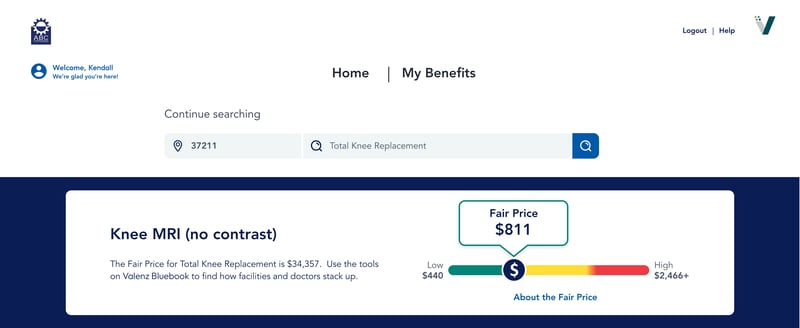
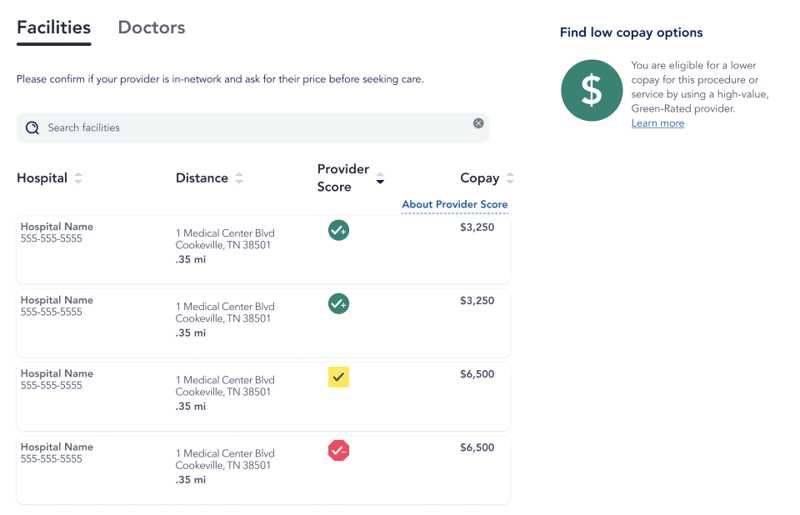
[Price and quality transparency tools](https://blog.valenzhealth.com/price-transparency-in-healthcare) fed by advanced healthcare analytics allow employees to compare providers based on the value they deliver. [Valenz Bluebook](https://www.valenzhealth.com/solutions/member-experience/valenz-bluebook/), for example, uses data analytics to color-code providers, highlighting “green-labeled” providers that deliver the best care for the lowest price.
Data analytics can be leveraged even further to assign [variable copay pricing](https://blog.valenzhealth.com/variable-co-pays) to providers based on historical care outcomes and pricing — incentivizing employees to select care options that data analysis has confirmed is high-value in nature.
### 4. Optimize plan design for a better member experience.
In addition to lowering costs, data analytics programs serve another key purpose: informing smarter plan design tailored to members’ needs and preferences.
Analytics programs can evaluate claims and usage data to see how (and if) employees are using the benefits programs provided to them. This way, employers gain visibility into where their investment is going based on more than just member feedback.
If analytics reveal that certain programs are being underutilized — and the potential savings from those programs are going unachieved — employers can work with plan designers to implement additional strategies to boost engagement, such as targeted communication campaigns.
By deploying smart data analytics over the long term, employers can make more informed decisions about plan design to shape their benefits strategies in a way that boosts member experience, better contains costs, and creates a more sustainable, positive experience for all stakeholders.
## How Vālenz Health® Incorporates Data Analytics Through the Entire Member Care Journey
As an industry leader in innovative plan solutions, Valenz is proud to offer one of America’s largest cost, quality, and utilization datasets to our clients. Our data-driven solutions deliver superior insights on overall plan performance, supporting higher cost containment and better care outcomes across the entire member journey.
Our data analytics — and, in turn, our integrated solution suite — are powered by the [Outcomes Analytics by Quantros**®** software](https://www.valenzhealth.com/solutions/provider-quality/outcomes-analytics/). Unlike other healthcare data analytics solutions, Outcomes Analytics is informed by objective, validated Centers for Medicare & Medicaid Services Standard Analytics file data encompassing:
- **630M+** individual discharges
- **50** states
- **40** inpatient clinical categories
- **24** outpatient procedure categories
As a result, we deliver an unbiased, data-driven analysis of medical quality and clinical performance that supports the advancement of high-value care for plan members.
Our Outcomes Analytics data feeds the Valenz Bluebook platform, informing the Fair Price™ ranking system that guides members to high-quality, low-cost providers. Our healthcare data analytics software also supports [our entire Provider Quality solution suite](https://www.valenzhealth.com/solutions/provider-quality/), giving hospitals and facilities enhanced visibility into performance outcomes and improvement opportunities.
On the payer side, our team also deploys advanced data analytics (powered by [Valenz Curated Data Sources](https://www.valenzhealth.com/solutions/payment-integrity/curated-data-sources/)) to capture cost-containment opportunities with [Valenz Clean Claim Verification](https://www.valenzhealth.com/solutions/payment-integrity/clean-claim-verification/) and [Valenz Clinical Bill Review](https://www.valenzhealth.com/solutions/payment-integrity/clinical-bill-review/).
As part of our [Payment Integrity suite](https://www.valenzhealth.com/solutions/payment-integrity/), these solutions combine powerful AI and predictive analytics with a team of expert reviewers to evaluate claims for accuracy, medical necessity, and contract alignment. As a result, we deliver superior savings faster than manual review, [such as the $43.4 million in potential savings uncovered across 626,000 claims](https://info.valenzhealth.com/clean-claim-verification-case-study-2026) for one plan payer.
To support our mission of engaging early and often for smarter, better, faster healthcare, we also use data analytics to inform [our Clinical Engagement solution](https://www.valenzhealth.com/solutions/member-experience/clinical-engagement/), leveraging claims and demographic data to identify potential high-risk, high-cost health plan members — and intervening accordingly to prevent rehospitalization and minimize expenses before those costs escalate. These insights enable earlier engagement, personalized clinical support, and proactive interventions that help improve outcomes, reduce avoidable utilization, and control healthcare costs.
In this way, Valenz takes a full-cycle approach to the member care journey: deploying advanced data analytics at every step in the process to optimize the cost, quality, and utilization of healthcare for all involved.
[Learn more by contacting us today.](https://blog.valenzhealth.com/leveraging-healthcare-analytics#contact-us)
## Explore Our Healthcare Analytics Solutions Today
Smart, complex data analytics are the key to managing today’s rising healthcare costs. They provide a critical level of visibility to payers, employers, and employees, all of whom must work together to minimize expenses in a high-cost healthcare environment.
By leveraging these systems, employers can take great strides in lowering their health plan expenditures, reducing employee out-of-pocket costs, and improving overall health outcomes for members — benefits that create a positive feedback loop supporting the long-term success of a health plan.
Valenz is proud to deploy innovative data analytics across the entirety of [our integrated healthcare platform](https://www.valenzhealth.com/solutions/integrated-platform/) to help clients uncover hidden insights and make smarter plan design decisions that support strong, vigorous, and healthy lives.
To learn more about how our solutions can help contain costs and improve your benefits plan strategy, contact one of our team members today.
### Connect with Us to Learn More

## Vālenz Health®
Vālenz Health® is the platform to simplify healthcare — the destination for patients, payers, providers, and plans to reduce costs, improve quality, and elevate the healthcare experience. The Valenz mindset and culture of innovation combine to create a distinctly different approach to an inefficient, uninspired health system. With fully integrated solutions, Valenz engages early and often to execute across the entire patient journey — from care navigation and management to payment integrity, provider verification, and plan performance. With a 99% client retention rate, we elevate expectations to a new level of efficiency, effectiveness, and transparency where smarter, better, faster healthcare is possible.
Ready to Simplify Self-Insurance?
## Your Journey Starts Here
Connect with a Valenz team member to explore the difference our solutions can make for you.

[](https://www.youtube.com/@valenzhealth)
[](https://www.linkedin.com/company/valenz/)
[Login](https://www.valenzhealth.com/user-login/) [Help Center](https://support.valenzhealth.com/hc/en-us) [Trust Center](https://trust.valenzhealth.com/)
[Privacy Policy](https://www.valenzhealth.com/privacy-policy/) Cookie Settings [Cookie Policy](https://www.valenzhealth.com/cookie-policy/) [California Privacy Rights Notice](https://www.valenzhealth.com/california-privacy-rights-notice/) [Terms and Conditions](https://www.valenzhealth.com/terms-and-conditions/)
1717 McKinney Ave, Suite 1000, Dallas, TX 75202, USA | [(866) 762-4455](tel:+18667624455)
© 2026 Vālenz Health®
```json
{
"@context" : "https://schema.org",
"@type" : "BlogPosting",
"about" : [ {
"@type" : "Thing",
"name" : "Healthcare Benefits Innovation"
}, {
"@type" : "Thing",
"name" : "Cost and Quality Transparency"
}, {
"@type" : "Thing",
"name" : "Healthcare Trends"
}, {
"@type" : "Thing",
"name" : "Payment Integrity"
}, {
"@type" : "Thing",
"name" : "Member Experience"
}, {
"@type" : "Thing",
"name" : "Plan Performance"
}, {
"@type" : "Thing",
"name" : "Provider Quality"
} ],
"articleBody" : "According to Grand View Research, the U.S. healthcare analytics market size is estimated to reach $67.5 billion by 2033, reflecting the rapid adoption of AI and predictive analytics by all parties affected by ever-rising healthcare costs. Data analytics hold great promise for the industry, offering opportunities to improve clinical outcomes, reduce financial risk, and personalize the healthcare experience for members. The catch? These tools are only as good as the teams who use them. Today, we’ll explore the current state of healthcare data analytics, including the specific possibilities they offer health benefits plans and how Vālenz Health® is leading the way with data-driven, human-led solutions that advance smarter, better, faster healthcare for everyone. Table of Contents Predictive Data Analytics: The Future of Modern Healthcare Benefits of Healthcare Analytics Identify and control key cost drivers. Identify and support high-risk members. Support transparency and guide better decision making. Optimize plan design for a better member experience. How Vālenz Health® Incorporates Data Analytics Through the Entire Member Journey Explore Our Healthcare Analytics Solutions Predictive Data Analytics: The Future of Modern Healthcare Simply put, data analytics in healthcare involves using historical and real-time patient data to inform decisions about all aspects of the patient journey. Typically, this data comes from sources such as medical and pharmacy claims, patient demographics, reported care outcomes, and provider reports — all of which create a comprehensive understanding of performance throughout a member’s care journey. Plan payers and designers have long used data to tailor benefits strategies to covered populations. With the advancement of AI and predictive analytics tools, those decisions can be made on a more sophisticated level, often at a faster speed and with more accuracy than in traditional models. As a result, today’s payers increasingly rely on data analytics solutions to inform their decision making, especially when it comes to reducing costs and improving member outcomes. In MedInsight’s 2025 Payer Market Survey, 72% of respondents ranked cost and utilization analytics as the area most linked to organizational success, with “improving operating margins” reported as the primary objective for implementing these tools. Benefits of Healthcare Analytics: Smarter Decisions, Lower Costs Data analytics offer significant advantages to plan payers and self-funded employers, but many have only scratched the surface when it comes to harnessing the full power of these tools. When implemented to their full extent, healthcare analytics offer unprecedented ability to contain plan costs, improve employee health outcomes, and increase overall performance of a health benefits plan. 1. Identify and control key cost drivers. Predictive analytics and AI tools offer an unprecedented line of sight into healthcare spending. Analytics programs fed with high-quality data can quickly and efficiently find patterns among hundreds of thousands of data points, identifying those areas that have the most significant impact on a plan’s financial performance. Take, for example, prescription drug costs. Data analytics programs can identify those prescriptions responsible for the majority of plan spend and suggest cheaper, clinically equivalent versions that will save money for both plan payers and plan members — such as the $13.5 million saved over five years for one Valenz client. By identifying the key factors driving up plan expenses, payers and employers can make more informed decisions on which cost-containment strategies and programs to deploy in their plan designs — and evaluate their performance over time using the same analytics programs that identified these trends in the first place. 2. Identify and support high-risk members. It’s well known that the majority of claims come from a disproportionately small percentage of plan members. Data analytics help to minimize that financial risk by identifying and engaging with those individuals earlier in their care journeys for faster, more targeted interventions. Through programs such as care management, advanced analytics programs review historical data to identify individuals at risk of developing costly chronic conditions such as diabetes, hypertension, or heart disease. Nurse case managers can then provide personalized, proactive support to address existing health issues before they escalate, reducing the likelihood of costly medical treatments in the future. 3. Support transparency and guide better decision making. Analytics don’t just provide transparency to employers; the programs also give employees enhanced visibility into the true costs of various medical services, treatments, and providers — including how to reduce those out-of-pocket costs with smarter care choices. Price and quality transparency tools fed by advanced healthcare analytics allow employees to compare providers based on the value they deliver. Valenz Bluebook, for example, uses data analytics to color-code providers, highlighting “green-labeled” providers that deliver the best care for the lowest price. Data analytics can be leveraged even further to assign variable copay pricing to providers based on historical care outcomes and pricing — incentivizing employees to select care options that data analysis has confirmed is high-value in nature. 4. Optimize plan design for a better member experience. In addition to lowering costs, data analytics programs serve another key purpose: informing smarter plan design tailored to members’ needs and preferences. Analytics programs can evaluate claims and usage data to see how (and if) employees are using the benefits programs provided to them. This way, employers gain visibility into where their investment is going based on more than just member feedback. If analytics reveal that certain programs are being underutilized — and the potential savings from those programs are going unachieved — employers can work with plan designers to implement additional strategies to boost engagement, such as targeted communication campaigns. By deploying smart data analytics over the long term, employers can make more informed decisions about plan design to shape their benefits strategies in a way that boosts member experience, better contains costs, and creates a more sustainable, positive experience for all stakeholders. How Vālenz Health® Incorporates Data Analytics Through the Entire Member Care Journey As an industry leader in innovative plan solutions, Valenz is proud to offer one of America’s largest cost, quality, and utilization datasets to our clients. Our data-driven solutions deliver superior insights on overall plan performance, supporting higher cost containment and better care outcomes across the entire member journey. Our data analytics — and, in turn, our integrated solution suite — are powered by the Outcomes Analytics by Quantros® software. Unlike other healthcare data analytics solutions, Outcomes Analytics is informed by objective, validated Centers for Medicare & Medicaid Services Standard Analytics file data encompassing: 630M+ individual discharges 50 states 40 inpatient clinical categories 24 outpatient procedure categories As a result, we deliver an unbiased, data-driven analysis of medical quality and clinical performance that supports the advancement of high-value care for plan members. Our Outcomes Analytics data feeds the Valenz Bluebook platform, informing the Fair Price™ ranking system that guides members to high-quality, low-cost providers. Our healthcare data analytics software also supports our entire Provider Quality solution suite, giving hospitals and facilities enhanced visibility into performance outcomes and improvement opportunities. On the payer side, our team also deploys advanced data analytics (powered by Valenz Curated Data Sources) to capture cost-containment opportunities with Valenz Clean Claim Verification and Valenz Clinical Bill Review. As part of our Payment Integrity suite, these solutions combine powerful AI and predictive analytics with a team of expert reviewers to evaluate claims for accuracy, medical necessity, and contract alignment. As a result, we deliver superior savings faster than manual review, such as the $43.4 million in potential savings uncovered across 626,000 claims for one plan payer. To support our mission of engaging early and often for smarter, better, faster healthcare, we also use data analytics to inform our Clinical Engagement solution, leveraging claims and demographic data to identify potential high-risk, high-cost health plan members — and intervening accordingly to prevent rehospitalization and minimize expenses before those costs escalate. These insights enable earlier engagement, personalized clinical support, and proactive interventions that help improve outcomes, reduce avoidable utilization, and control healthcare costs. In this way, Valenz takes a full-cycle approach to the member care journey: deploying advanced data analytics at every step in the process to optimize the cost, quality, and utilization of healthcare for all involved. Learn more by contacting us today. Explore Our Healthcare Analytics Solutions Today Smart, complex data analytics are the key to managing today’s rising healthcare costs. They provide a critical level of visibility to payers, employers, and employees, all of whom must work together to minimize expenses in a high-cost healthcare environment. By leveraging these systems, employers can take great strides in lowering their health plan expenditures, reducing employee out-of-pocket costs, and improving overall health outcomes for members — benefits that create a positive feedback loop supporting the long-term success of a health plan. Valenz is proud to deploy innovative data analytics across the entirety of our integrated healthcare platform to help clients uncover hidden insights and make smarter plan design decisions that support strong, vigorous, and healthy lives. To learn more about how our solutions can help contain costs and improve your benefits plan strategy, contact one of our team members today. Connect with Us to Learn More",
"articleSection" : [ "Table of Contents", "Predictive Data Analytics: The Future of Modern Healthcare", "Benefits of Healthcare Analytics: Smarter Decisions, Lower Costs", "1. Identify and control key cost drivers.", "2. Identify and support high-risk members.", "3. Support transparency and guide better decision making.", "4. Optimize plan design for a better member experience.", "How Vālenz Health® Incorporates Data Analytics Through the Entire Member Care Journey", "Explore Our Healthcare Analytics Solutions Today" ],
"author" : {
"@id" : "https://blog.valenzhealth.com/author/valenz-health",
"@type" : "Person",
"name" : "Vālenz Health®",
"url" : "https://blog.valenzhealth.com/author/valenz-health"
},
"dateModified" : "2026-10-01T18:06:39-04:00",
"datePublished" : "2026-07-06T06:30:00-04:00",
"description" : "Learn how healthcare analytics solutions from Valenz Health can help improve health plan performance and minimize costs for all.",
"headline" : "Leverage Healthcare Analytics for Lower Costs & Better Care Outcomes",
"image" : "https://1769848.fs1.hubspotusercontent-na1.net/hubfs/1769848/Blog/AdobeStock_576808710-1.jpeg",
"mainEntityOfPage" : {
"@id" : "https://blog.valenzhealth.com/leveraging-healthcare-analytics",
"@type" : "WebPage"
},
"publisher" : {
"@id" : "https://www.valenzhealth.com/",
"@type" : "Organization",
"areaServed" : "United States of America (USA)",
"contactPoint" : {
"@type" : "ContactPoint",
"areaServed" : "United States of America (USA)",
"availableLanguage" : [ "English" ],
"contactType" : "Customer Service",
"email" : "info@valenzhealth.com",
"telephone" : "866-762-4455",
"url" : "https://www.valenzhealth.com/contact/"
},
"logo" : {
"@type" : "ImageObject",
"url" : "https://blog.valenzhealth.com/hubfs/web/logo.svg"
},
"name" : "Vālenz Health®",
"sameAs" : [ "https://www.youtube.com/@valenzhealth", "https://www.linkedin.com/company/valenz/" ],
"url" : "https://www.valenzhealth.com/"
},
"url" : "https://blog.valenzhealth.com/leveraging-healthcare-analytics",
"wordCount" : 1522
}
```